


Day 8 Entrep Community
Hello, welcome!
GUIDELINES
Be helpful and relevant
This community is intended to provide helpful,... View more
Organizer:
- Organized by
-
-

Fostering Curiosity and Creativity in Early Years Education Settings
-
Fostering Curiosity and Creativity in Early Years Education Settings
Every child enters the world as a natural-born scientist and artist. Watch a toddler encounter a puddle for the first time, and you will witness pure empirical research in action: they test the water’s depth with a toe, observe the splash mechanics of a dropped pebble, and marvel at their distorted reflection. Yet, as children transition into structured learning environments, this innate sense of wonder can sometimes be inadvertently stifled by rigid schedules and outcome-driven activities. In early years education, the primary goal should not be to fill young minds with static facts, but to keep the flame of inquiry burning brightly. By intentionally designing spaces, routines, and interactions that prioritize exploration over perfection, educators can cultivate a foundation of creative thinking that serves children well beyond their preschool years.
Shifting from Product-Focused to Process-Oriented Play
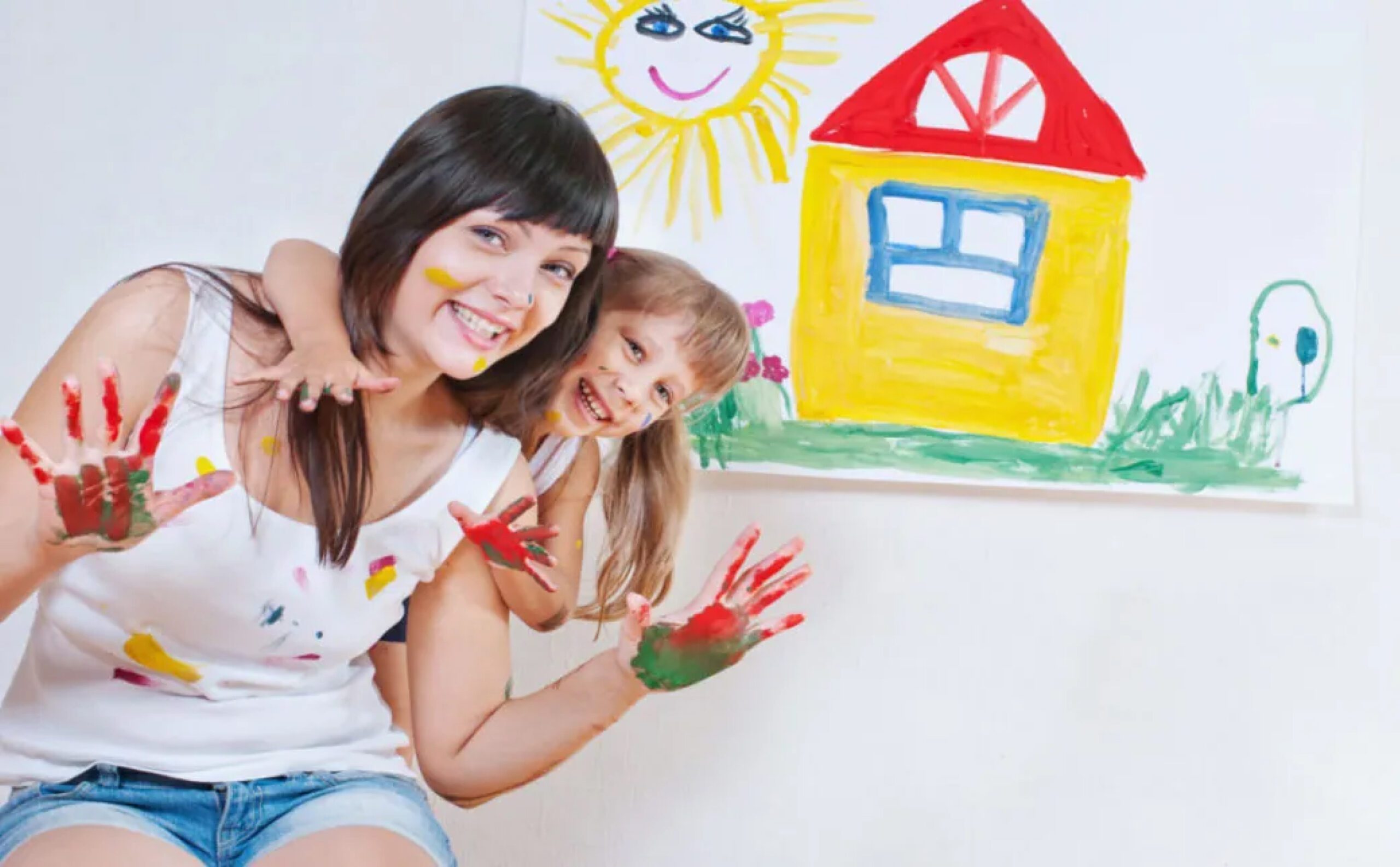
One of the most effective ways to nurture creativity is to rethink how we approach art and construction activities. Traditional early years projects often rely on templates—think twenty identical paper-plate sheep lined up neatly on a bulletin board. While these crafts look charming to passing parents, they offer very little cognitive or creative value to the child. Process-oriented play, conversely, shifts the focus entirely to the experience of making, experimenting, and problem-solving. When children are given raw materials without a predetermined model to copy, they are forced to make independent decisions, test hypotheses, and express their unique perspectives. Educators can facilitate this shift by replacing step-by-step instructions with open-ended invitations to create. Instead of demonstrating how to glue cotton balls onto a pre-cut shape, set out a tray of diverse textures, adhesives, and recycled objects, and simply observe where the children’s imaginations take them.
Designing an Environment That Whispers “Explore”
In the Reggio Emilia approach to early childhood education, the physical environment is famously referred to as the “third teacher.” A thoughtfully curated classroom does not need to be loud, cluttered, or overly stimulating to inspire curiosity; in fact, neutral tones and natural materials often work best to let children’s ideas take center stage. Low, accessible shelving stocked with loose parts—such as wooden rings, smooth stones, fabric scraps, and cardboard tubes—empowers children to gather their own resources and combine them in unexpected ways. Incorporating mirrors, light tables, and magnifying glasses introduces elements of sensory discovery that prompt children to look closer at the world around them. When the layout of a room encourages autonomy and gentle risk-taking, children naturally begin to ask “what if” questions, transforming ordinary corners of the nursery into laboratories of invention.
The Art of the Open-Ended Question
How adults speak to young children plays a pivotal role in either expanding or shutting down their curiosity. Often, out of habit or time constraints, educators ask closed questions that require a single, correct answer, such as “What color is that block?” or “How many cars do you have?” While these questions check basic knowledge, they rarely spark deeper thinking. To truly ignite a child’s imagination, practitioners must master the art of the open-ended question—queries that have no right or wrong answer and require descriptive, reflective responses. Asking “What do you think would happen if we added water to this sand?” or “Tell me about how you balanced that tall tower” invites children to articulate their reasoning and consider new possibilities. Mastering these nuanced pedagogical techniques is a core focus of comprehensive level 3 childcare training, which equips aspiring and current practitioners with the psychological insights needed to scaffold children’s learning effectively.
Embracing Mess, Failure, and Unstructured Time
Creativity is inherently messy, unpredictable, and slow. If an early years setting is overly preoccupied with keeping floors spotless and adhering strictly to fifteen-minute activity blocks, deep creative flow becomes nearly impossible to achieve. Children need generous stretches of uninterrupted time to become fully immersed in their narratives and experiments. Just as importantly, they need permission to fail safely. When a block castle collapses or a homemade boat sinks in the water tray, an educator’s instinct might be to step in and fix the problem immediately. However, stepping back and allowing the child to experience that mild frustration is where true resilience and innovation are born. By normalizing mistakes as exciting clues rather than setbacks, educators teach children that creative problem-solving is a continuous, joyful cycle of trial and error.
Bringing the Outside World In—and Taking Learning Out
Nature remains the ultimate playground for developing curiosity, offering an ever-changing sensory landscape that no manufactured toy can replicate. Taking early years education outdoors—whether to a dedicated forest school area, a local park, or a simple grassy patch behind the building—exposes children to dynamic variables like shifting weather, insects, mud, and seasonal changes. On a rainy afternoon, chasing worms or building dams in muddy streams teaches early physics and biology far more memorably than a worksheet ever could. When outdoor access is limited, educators can bring natural elements indoors through sensory bins filled with acorns, pinecones, water, and herbs. Encouraging children to observe the subtle details of the natural world fosters a lifelong sense of stewardship, wonder, and mindfulness that enriches every other area of their early development.
Cultivating a Culture of Shared Wonder
Ultimately, fostering curiosity and creativity in early years settings is less about buying expensive educational resources and more about adopting a mindset of shared discovery. When educators allow themselves to be genuinely fascinated alongside the children—pausing to admire the intricate web of a garden spider or wondering aloud why shadows grow longer in the late afternoon—they model the exact intellectual humility and enthusiasm they wish to inspire. By slowing down, listening deeply to children’s theories, and protecting their right to play without rigid agendas, early years practitioners ensure that education remains an exciting adventure rather than a passive routine.

trainingtale.org
Childcare Training Course Online + Free PDF Certificate Included
Enrol now in our Childcare Training Course and get a Free PDF Certificate. Learn essential childcare and safety skills.
Sorry, there were no replies found.
Log in to reply.